
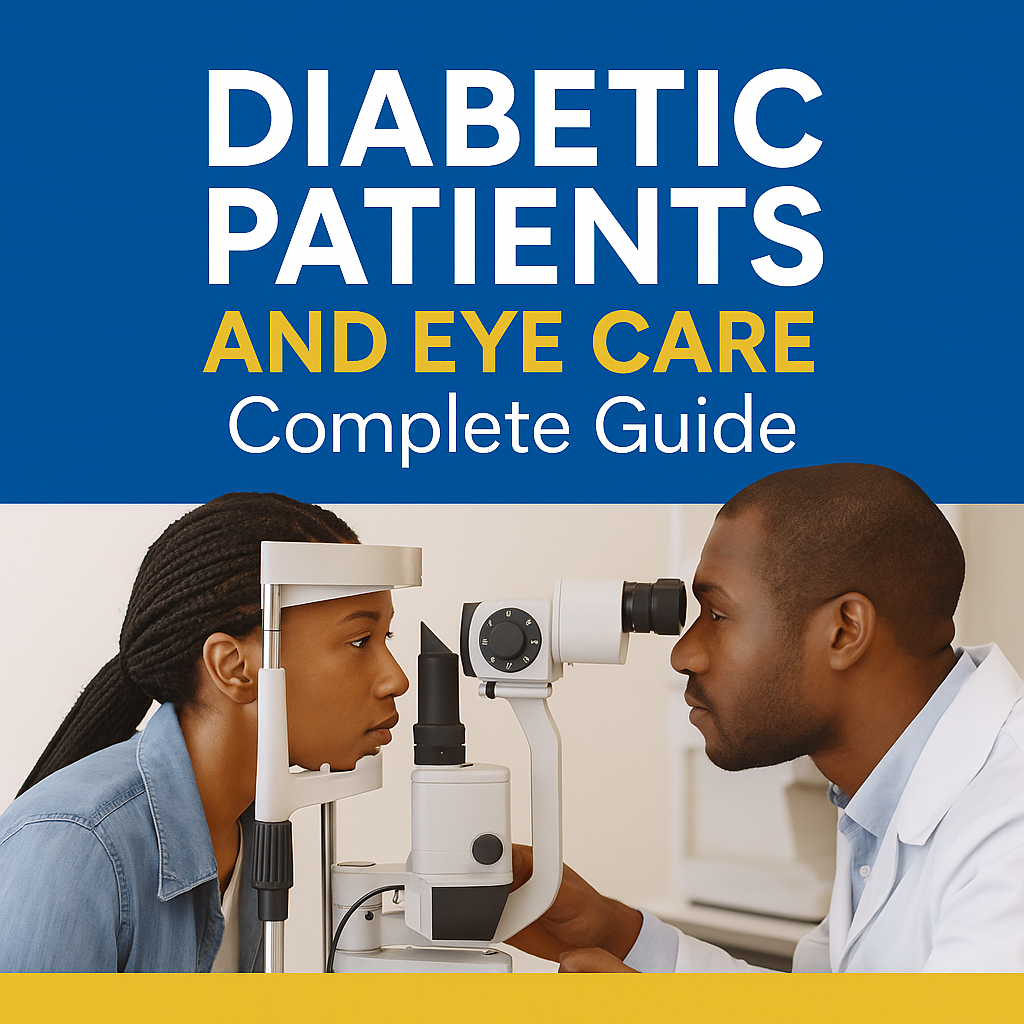
Diabetes is not just a disease of blood sugar—it is a condition that affects nearly every organ in the body, and the eyes are among the most vulnerable. Across the world, and especially in Nigeria, where diabetes cases are rapidly rising, diabetic eye diseases have become one of the leading causes of preventable blindness. Unfortunately, many patients only realise the seriousness of this link when vision problems already interfere with their daily lives.
This guide explores how diabetes affects the eyes, the most common eye conditions seen in diabetic patients, preventive strategies, and treatment options. With proper care and awareness, vision loss due to diabetes can largely be prevented.
How Diabetes Affects the Eyes
When blood sugar levels remain high over time, they damage the tiny blood vessels throughout the body. The delicate vessels in the retina—the light-sensitive tissue at the back of the eye—are especially vulnerable. This leads to a group of eye conditions known collectively as diabetic eye disease.
The primary mechanisms include:
- Blood vessel leakage (causing swelling and fluid accumulation).
- Poor circulation (causing oxygen deprivation in retinal tissues).
- Abnormal blood vessel growth (which can bleed and scar the retina).
These changes may not cause symptoms in the early stages but can lead to severe, permanent vision loss if untreated.
Common Eye Conditions in Diabetic Patients
1. Diabetic Retinopathy
This is the most common diabetic eye disease and a leading cause of blindness globally. It develops in stages:
- Mild and moderate non-proliferative retinopathy: Small leaks cause swelling in the retina.
- Severe non-proliferative retinopathy: More vessels become blocked, depriving the retina of oxygen.
- Proliferative retinopathy: Fragile new blood vessels grow, bleed, and cause scarring that can detach the retina.
According to the International Diabetes Federation, approximately one in three people with diabetes has some degree of retinopathy.
2. Diabetic Macular Oedema (DME)
A complication of retinopathy, DME occurs when fluid leaks into the macula, the central part of the retina responsible for sharp vision. This results in blurred vision, distorted images, or even blind spots.
3. Cataracts
Diabetic patients are more likely to develop cataracts at a younger age. High glucose causes changes in the eye lens, leading to cloudiness and reduced vision.
4. Glaucoma
Diabetes doubles the risk of glaucoma, a disease where increased pressure damages the optic nerve. The combination of diabetes and glaucoma increases the chance of irreversible vision loss.
Symptoms to Watch For
Unfortunately, diabetic eye disease can remain silent until the damage is advanced. Patients should be alert to:
- Blurred or fluctuating vision
- Dark spots or floaters in the visual field
- Difficulty reading or recognising faces
- Loss of peripheral vision
- Poor night vision
- Sudden vision loss in one eye
If you have diabetes and notice any of these symptoms, seek an eye doctor immediately.
How Doctors Diagnose Eye Complications in Diabetics
Eye clinics use specialised equipment to detect early changes:
- Dilated eye exam: To check for bleeding, swelling, or abnormal vessels.
- Optical Coherence Tomography (OCT): Produces high-resolution scans of the retina.
- Fluorescein Angiography: Uses dye to highlight leaking blood vessels.
- Tonometry: Measures eye pressure to check for glaucoma.
With these tests, doctors can catch diabetic eye disease years before symptoms appear.
Preventing Vision Loss in Diabetic Patients
The best way to protect eyesight is to manage diabetes as a whole. Prevention is as important as treatment.
- Control Blood Sugar: Keep HbA1c levels below 7% (as recommended by the American Diabetes Association).
- Monitor Blood Pressure and Cholesterol: High blood pressure and cholesterol worsen eye damage.
- Exercise Regularly: Improves circulation and reduces diabetic complications.
- Eat a Balanced Diet: Emphasise vegetables, lean proteins, whole grains, and omega-3s.
- Stop Smoking: Smoking accelerates diabetic damage to the eyes.
- Schedule Annual Eye Exams: Even if you have no symptoms, yearly dilated exams detect problems early.
Treatment Options for Diabetic Eye Disease
1. Anti-VEGF Injections
For diabetic macular oedema and proliferative retinopathy, anti-VEGF drugs (e.g., Avastin, Lucentis, Eylea) are injected directly into the eye. They reduce swelling, stop abnormal blood vessel growth, and often improve vision.
2. Laser Photocoagulation
Laser beams are used to seal leaking vessels or shrink abnormal growths. It doesn’t cure retinopathy but helps prevent further damage.
3. Vitrectomy Surgery
In advanced cases with bleeding inside the eye (vitreous haemorrhage) or retinal detachment, surgery removes the blood-filled vitreous and repairs the retina.
4. Cataract Surgery
When clouding interferes with vision, diabetic patients undergo cataract extraction, sometimes combined with retinopathy treatment.
5. Glaucoma Management
Eye drops, laser treatment, or surgery may be required for diabetic patients with glaucoma.
Living with Diabetes and Protecting Your Eyes
Living with diabetes requires vigilance, but blindness is not inevitable. Many patients live long, fulfilling lives with healthy vision by following three golden rules:
- Know your numbers: Regularly monitor blood sugar, blood pressure, and cholesterol.
- Never skip eye exams: Prevention is cheaper and easier than treatment.
- Follow treatment plans: Adhere strictly to medications and lifestyle changes.
Patient Stories
- Mrs Aina, 55: Diagnosed with Type 2 diabetes, she delayed eye checkups until her vision blurred. At Vision Planet Eye Clinic in Lagos, she was found to have macular oedema. With anti-VEGF injections, her vision stabilised, allowing her to continue teaching.
- Mr Chukwu, 48: Experienced sudden vision loss in one eye. He was diagnosed with proliferative retinopathy at Eye Foundation Hospital. Laser treatment restored functional sight and prevented blindness in the other eye.
- Ngozi, 62: Managed diabetes well but developed cataracts. After surgery at LASUTH, her vision returned, and she resumed church activities without difficulty.
Why Lagos Diabetic Patients Need Specialized Eye Clinics
In Lagos, specialized eye clinics like Vision Planet Eye Clinic, Eye Foundation, Skipper Eye-Q, LASUTH, and LUTH provide comprehensive care for diabetic patients. These clinics combine endocrinology awareness with ophthalmology expertise—an essential partnership since eye health cannot be separated from diabetes control.
HMOs such as Hygeia, AXA Mansard, Leadway, and Avon also partner with many of these clinics, making treatment more accessible. Since diabetic eye care is lifelong, affordability and continuity are vital.
Conclusion
Diabetes is a lifelong journey, but blindness doesn’t have to be part of it. With strict blood sugar control, healthy lifestyle choices, and regular eye exams, diabetic patients can prevent most vision complications.
- Diabetic retinopathy and macular edema are the most common vision threats.
- Laser treatments, anti-VEGF injections, and surgeries have revolutionized management.
- Early detection is critical—symptoms appear late, but damage starts early.
- Lagos residents have access to excellent clinics and hospitals for diabetic eye care.
The message is clear: if you live with diabetes, protecting your vision must be part of your daily care routine. Book an eye exam, partner with a trusted clinic, and take charge of your health today.